
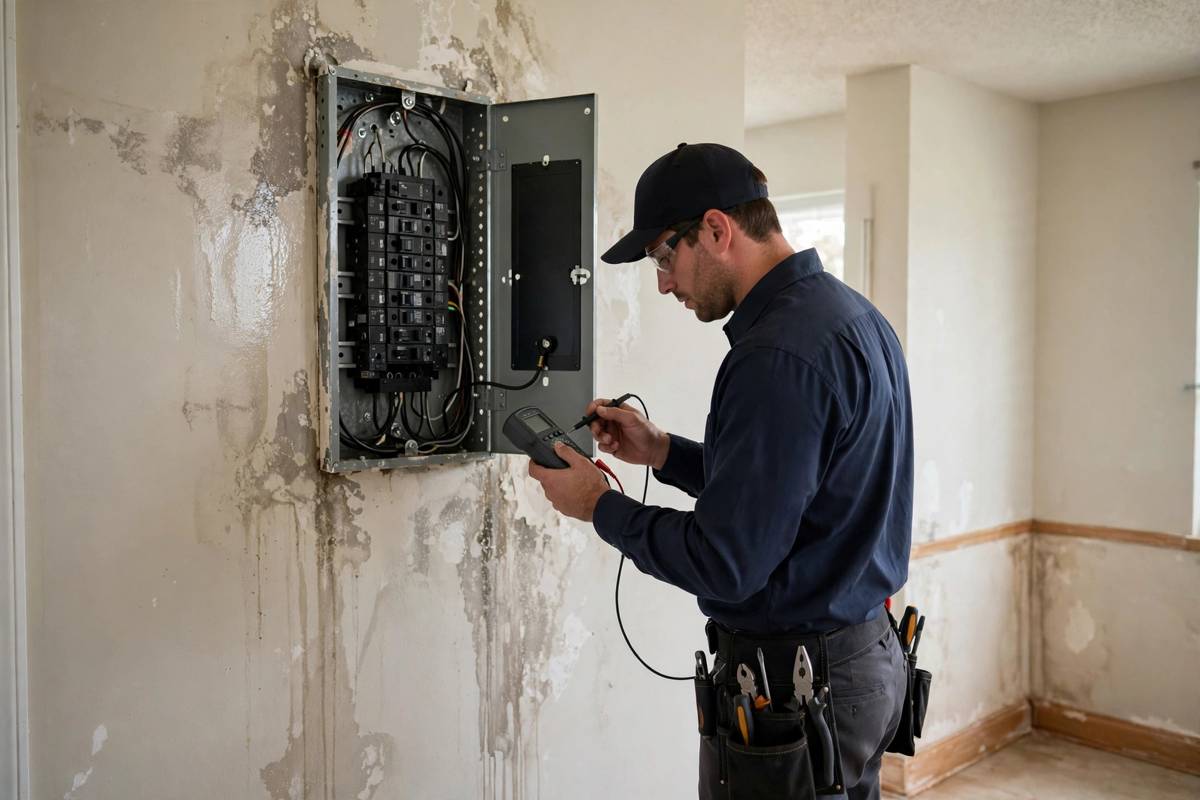
Let me tell you about a Tuesday last summer. A homeowner near Las Olas called us, kinda spooked. Her kitchen outlet buzzed. The air smelled like hot pennies.
She thought it was no big deal. It almost never is, until it is.
Here in South Florida, water finds a way in. The salt air sneaks in too. And your home’s wiring? It takes the hit, quietly, for years.
We’re Flowtron Electric Inc., based in Miami-Dade County, Florida. We’ve chased down more moisture gremlins than we can count.
So here’s the real talk on electrical problems caused by moisture in Fort Lauderdale homes. No fluff. Just what we see on the job.
Ever wonder why your breaker keeps tripping on humid days? Stick around.
Common Moisture-Related Electrical Issues
Moisture doesn’t knock. It seeps. Then it chews on your electrical system like termites on a porch rail.
Most moisture-related electrical issues start small. A little green crust here. A tiny spark there.
But small stuff grows. Here’s what we find most often in Fort Lauderdale homes.
Corrosion and Salt Air
Salt air is sneaky. It rides the breeze off the ocean. Then it lands on your metal parts.
Copper turns green. Steel flakes orange. Connections get fuzzy and weak.
Think of it like rust eating a bike left out in the rain. Your wires and panels suffer the same slow bite.
Corrosion raises resistance. Higher resistance means heat. Heat near wiring is bad news.
We see this most on coastal homes. The closer to the water, the faster the rot.
Nuisance GFCI Tripping
A GFCI outlet is your bodyguard. It shuts power off fast when it senses a leak to ground.
Humid days make these little guys jumpy. They trip for no clear reason. That’s nuisance GFCI tripping.
Annoying? For sure. But don’t tape the reset button down.
A GFCI that trips a lot is often trying to tell you something. Listen to it.
Short Circuits and Shock Hazards
Water loves to make new paths for power. Paths you never wanted.
When moisture bridges two wires, you get a short circuit. Sparks fly. Breakers pop.
Worse, wet metal can turn into a live trap. Touch it and you risk a nasty jolt.
Shock hazards near water are the ones that scare us most. A wet hand plus a bad outlet is a very bad combo.
Degraded Wire Insulation
Wires wear a plastic coat. That coat keeps power where it belongs.
Years of damp heat make the coat brittle. It cracks. It peels. It flakes off.
Once the coat fails, bare copper meets damp air. That’s an open door for shorts and heat.
Degraded wire insulation hides inside walls. You rarely see it until it acts up.
Aged Panel Vulnerability
Your panel is the heart of the home’s power. Old panels pump along bravely.
But old breakers wear out. Old bus bars corrode. Moisture speeds the whole thing up.
An aged panel in a damp garage is a soft target. Rust creeps across the contacts.
We’ve opened panels that looked fine outside. Inside? A crusty mess. Not great.
Warning Signs to Watch For
Your home talks. You just gotta know the words. Here are the signs we tell every client to watch.
- Breakers that trip over and over for no clear reason
- A faint burning or fishy smell near outlets or the panel
- Warm or discolored wall plates that feel hot to the touch
- Flickering lights that dance when nothing changed
- Buzzing or crackling from switches or receptacles
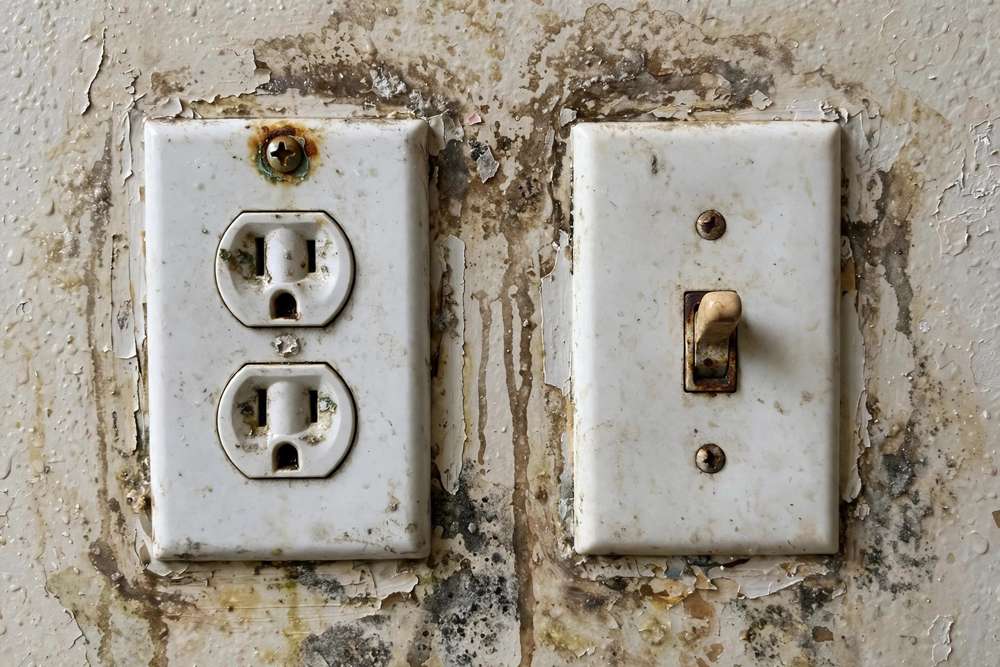
- Green or white crust on any metal part you can see
- Outlets that feel loose or spark when you plug in
Notice any of these? Don’t shrug it off. Small warnings beat big fires.
A stitch in time saves nine, as the old saying goes. Same with wiring.
How to Protect Your Home
Good news. You’ve got real control here. A few smart moves go a long way.
Protecting your home isn’t about fear. It’s about staying one step ahead of the water.
Schedule Regular Inspections
An inspection is like a dental checkup for your wiring. Quick, boring, and worth it.
A licensed pro checks connections, panels, and GFCIs. They catch rot before it spreads.
We suggest a full check every one to two years in coastal zones. Older homes may need it sooner.
Call us at (954) 945-1123 and we’ll map out a simple plan.
Upgrade GFCIs and Panels
Modern GFCIs handle humid air far better than old ones. They trip less for no reason.
New panels resist corrosion and run cooler. They also fit today’s power loads.
Upgrading your GFCIs and panel is cheap insurance against a wet-weather scare.
Think of it as trading a leaky roof for a solid one. You sleep better.
Control Indoor Humidity
Your AC does more than cool. It pulls water out of the air.
Keep indoor humidity under 50 percent when you can. A dehumidifier helps a ton.
Drier air means slower corrosion. It also keeps mold off your outlets and walls.
Less moisture inside equals fewer surprises in your panel. Simple as that.
Address Water Leaks Fast
A small drip today becomes a big problem next month. Water never sits still.
Fix roof leaks, pipe drips, and window gaps quick. Don’t let water find your wiring.
Why wait for a stain on the ceiling to grow? Jump on leaks the day you spot them.
Fast leak repair is the cheapest electrical fix you’ll ever make.
Critical Preventative Action Steps
Okay, say you already smell trouble. What now? These steps can keep you safe tonight.
Read these twice. They matter.
Do Not Reset Overheated Breakers
A breaker that trips and feels hot is begging for help. Don’t just flip it back.
Resetting an overheated breaker can push more heat into a tired wire. That’s how fires start.
If a breaker is warm or keeps tripping, leave it off. Then call a pro.
We’d rather get a late-night call than see a scorched wall. For real.
Replace Wet Outlets Completely
A soaked outlet is done. You can’t dry it and trust it again.
Water gets deep into the contacts. Corrosion starts the moment it dries.
Swap any outlet that got wet. Don’t patch it. Replace the whole thing.
A new outlet costs little. A shock costs a lot more.
Schedule Periodic Inspections
Yes, we’re saying it again. Routine checks are your best shield.
Set a reminder. Pick a season. Make it a habit, like changing AC filters.
Periodic inspections catch slow damage you’d never see on your own.
Your future self will thank you. Trust us on that one.
Consult Mitigation Experts
After a flood or big leak, you need two heroes. An electrician and a water-mitigation crew.
The mitigation team dries the structure. We handle the power side.
Working together, we make sure hidden moisture doesn’t bite you later.
One without the other leaves a gap. And gaps are where trouble hides.
Why Fort Lauderdale & Miami Homes Are Especially Prone to Moisture Damage
Not every town fights this battle. Ours does, hard. Let’s break down why.
South Florida is beautiful. It’s also a sauna with a sea breeze. That mix is tough on wiring.
South Florida’s Humid, Coastal Climate
Our air stays thick most of the year. Humidity here laughs at the 50 percent mark.
Salt rides that humid air inland. It settles on metal day after day.
Constant damp plus salt is a one-two punch for electrical parts. Few climates test wiring like ours.
That’s why Fort Lauderdale and Miami homes face risks drier cities never think about.
Hurricane Season and Storm Flooding Risks
Every summer, the storms roll in. Wind drives rain sideways. Floodwater rises fast.
Storm surge can swamp panels, outlets, and buried wire in minutes. Then it’s gone, leaving salt and grit.
Flooded electrical gear is almost never safe to reuse. Even after it dries.
Live near a canal or low spot? Your risk climbs with every storm season.
Aging Wiring in Older South Florida Homes
Lots of local homes were built decades back. Their wiring has seen a lot of weather.
Old insulation cracks. Old panels corrode. Old grounding may not meet today’s rules.
Aging wiring in older South Florida homes is a quiet, growing risk.
If your place predates the 1990s, a check-up is smart. Really smart.
Risks and Consequences of Ignoring Moisture-Related Electrical Problems
Let’s be honest. Ignoring this stuff feels easy. Out of sight, out of mind, right?
But water damage doesn’t wait. It compounds. Here’s what’s truly at stake.
Fire Hazard from Corroded Wiring
Corroded connections run hot. Hot wires near wood and insulation can ignite.
Electrical fires spread fast and quiet. Many start inside walls where you can’t see.
Corroded wiring is one of the top hidden fire risks in older homes.
This is the consequence we fight hardest to prevent. No home is worth that gamble.
Risk of Electrocution and Shock Injuries
Wet, damaged wiring can energize things that should be safe. A faucet. A railing. A wall plate.
Touch the wrong spot and you get hurt. Kids and pets face the biggest danger.
A shock injury happens in a blink. Prevention is the only good plan.
We’ve seen close calls. One was enough to make it personal for our whole crew.
Homeowners Insurance Claim Denials
Here’s a gut punch. Many policies won’t pay for damage tied to neglect.
Ignore known moisture issues, and your claim may get denied. Then you eat the full cost.
Insurers often reject claims when upkeep was clearly skipped. Documentation matters.
Regular inspections create a paper trail. That trail can save your claim.
Rising Repair and Replacement Costs
A tiny fix today is cheap. A full rewire after a fire is not.
Moisture damage grows with every wet season. So does the bill.
Delay turns a small repair into a big replacement. Water compounds like debt.
Pay a little now, or pay a fortune later. Your call, but the math is clear.
Florida Electrical Code & Moisture Protection Requirements
Rules exist for a reason here. They’re written by folks who’ve seen the storms.
Code keeps you safe and keeps your home legal. Here’s the short version.
NEC Guidelines for Coastal and Flood-Prone Homes
The National Electrical Code sets the baseline. Florida follows it, with local tweaks.
For coastal and flood-prone homes, the NEC pushes for raised panels and sealed fittings.
Panels and outlets in flood zones often must sit above expected water lines.
These rules aren’t red tape. They’re hard lessons from past floods.
GFCI/AFCI Code Requirements in Florida
Florida code wants GFCI protection in wet spots. Kitchens, baths, garages, and outdoors.
AFCI breakers guard against arc faults, which spark fires. Many living areas need them now.
Modern GFCI and AFCI protection is required, not optional, in most of your home.
If your place lacks them, an upgrade brings you up to code and up to safe.
Permit Rules for Panel or Wiring Replacement
Swapping a panel or rewiring? You need a permit in Miami-Dade and most of Florida.
Permits mean a pro does the work. An inspector then signs off on it.
A permit protects you. It proves the job met code and passed inspection.
Skip the permit and you may hit snags when you sell. Do it right the first time.
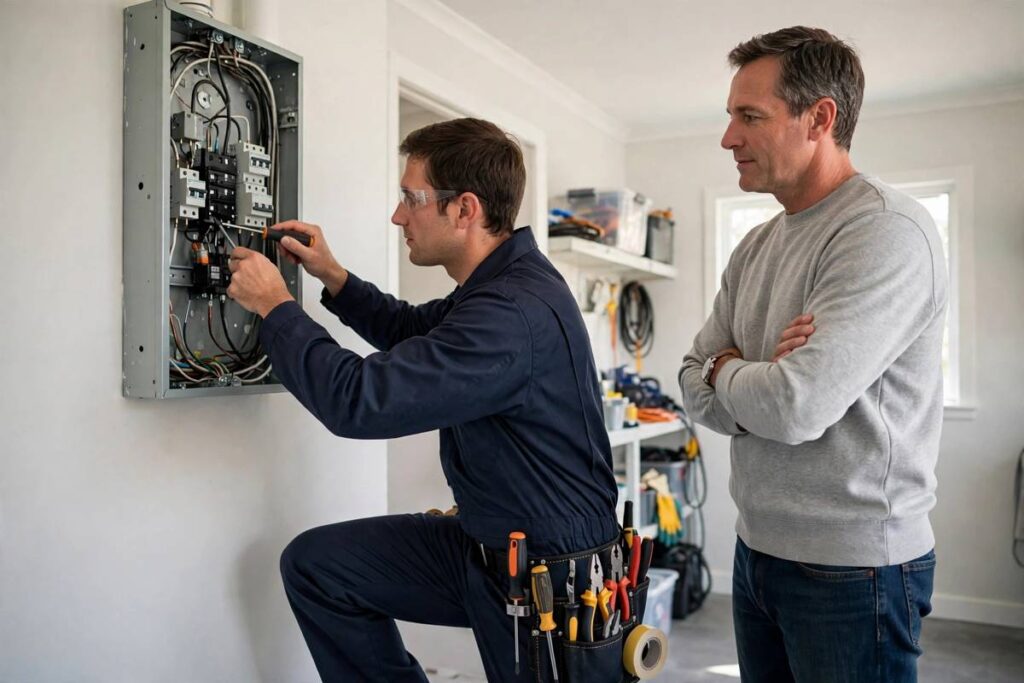
How to Choose the Right Professional for Moisture-Damaged Electrical Repairs
Not all help is equal. The wrong hire can leave you worse off. Here’s how to pick smart.
Choosing a pro is like picking a surgeon. You want steady hands and a clean record.
Verify License and Insurance
First thing, every time. Ask for a Florida electrical license number.
Then ask for proof of insurance. A real pro shows both without a fuss.
No license, no insurance, no deal. That rule keeps you safe and covered.
Flowtron Electric Inc. is fully licensed and insured. Ask us anytime. We’ll show you.
Ask About Salt-Air and Corrosion Experience
Inland electricians may not know our salt problem. Coastal work is its own craft.
Ask how they handle corrosion and salt-air damage. Listen for real, specific answers.
Local experience with salt air is the difference between a patch and a real fix.
We live and work here. We know what the ocean does to wiring.
Difference Between an Electrician and a Water-Mitigation Specialist
This trips people up. They’re two different jobs. You often need both.
A water-mitigation specialist dries your home and stops mold. That’s structural and moisture work.
An electrician repairs the wiring, panels, and outlets the water hurt. That’s the power side.
Think of mitigation as the lifeguard and the electrician as the medic. Both matter after a flood.
Pair them up, and your home gets fully healed, not half-fixed.
A Quick Word From Our Crew
We know this topic feels heavy. Water, fire, shocks. Not exactly beach-day vibes.
But here’s the thing. You’re not alone in this. We handle these calls every week.
When your home’s power feels off, that worry sits in your chest. We get it.
Our job is to take that weight off you. Fix it right. Then let you relax.
You deserve a home that feels safe when the storms roll in. That’s what we’re here for.
Give Flowtron Electric Inc. a ring at (954) 945-1123. We serve Miami-Dade County and the greater Fort Lauderdale area.
Frequently Asked Questions
1. Can humidity alone damage my home’s wiring, or does it take flooding?
Humidity alone does real harm over time. It feeds corrosion and weakens wire insulation slowly. Flooding speeds things up a lot. But even dry-feeling, muggy air chews on metal parts for years. In South Florida, steady humidity is the bigger long-term threat for most homes.
2. Why does my GFCI outlet keep tripping on rainy or humid days?
Humid air can trick a GFCI into sensing a tiny leak to ground. That triggers a trip. Sometimes it’s harmless moisture. Other times it flags a real fault starting up. Don’t ignore it or tape the reset down. Have a licensed pro test the circuit to be sure.
3. Is it safe to use an outlet that got wet after it dries out?
No. Water pushes deep into the contacts and starts corrosion. The outlet may work, then fail or spark later. Always replace a wet outlet fully. Don’t dry it and reuse it. A new outlet is cheap. A shock or fire is not.
4. How often should Fort Lauderdale homeowners get an electrical inspection?
We suggest every one to two years for coastal homes. Older homes or flood-prone spots may need yearly checks. Regular inspections catch slow moisture damage early. They also build a record that can help with insurance claims later. It’s a small habit with a big payoff.
5. Will my homeowners insurance cover moisture-related electrical repairs?
It depends on your policy and the cause. Sudden, accidental damage is often covered. Slow damage from known neglect usually is not. Insurers may deny claims if you skipped upkeep. Keep inspection records and fix issues fast. That paper trail protects your coverage.
Ready for Peace of Mind?
Moisture and electricity will always mingle in South Florida. That’s just life by the sea.
But you don’t have to lose sleep over it. One call starts the fix.
Flowtron Electric Inc. — serving Miami-Dade County, Florida. Phone: (954) 945-1123
Let’s keep your home safe, dry, and powered up. Rain or shine.
