

So your lights are flickering, or your breaker keeps tripping, or you’re building out a new storefront downtown. Who do you call? Not every electrician does the same job. Picking the wrong one can cost you time, money, and a few gray hairs.
Here’s the thing. Residential and commercial electrical work are two different worlds. Same trade, different rules, different gear, different risks. If you live in Fort Lauderdale or anywhere nearby, knowing the difference saves you a headache down the road.
This guide breaks it down plain and simple. By the end, you’ll know exactly who to call, what to ask, and why Flowtron Electric keeps popping up as the name locals trust for both jobs.
Fort Lauderdale is a mixed bag. You’ve got quiet residential streets a few blocks from busy commercial strips. One zip code, two totally different electrical worlds. That mix is exactly why so many property owners get confused about who to call first.
Think of this guide as your cheat sheet. No fluff, no jargon, just the real differences that actually matter when you’re staring at a dead outlet or a business that needs power fast.
Residential Electricians
Residential electricians work on homes. Single-family houses, condos, townhomes, apartments. Think of them as the family doctor of electrical work. They know your house inside and out.
Voltage & Systems
Homes run on lower voltage systems, usually 120 or 240 volts. That’s enough to power your fridge, your AC, your laptop charger. Nothing crazy.
Residential setups are smaller too. One main panel. A handful of circuits. Simple wiring paths that don’t need a map to follow.
Most homes in Fort Lauderdale run on a 100 to 200 amp service. Older homes sometimes still sit on 60 amp panels, and that’s usually where trouble starts. Old wiring just can’t keep up with modern life.
Think about it. Your grandparents didn’t have three TVs, a laptop, a phone charger, and a window AC unit all running at once. Homes today draw way more power than they used to, and the wiring has to catch up.
Common Jobs
Residential electricians handle the stuff that keeps a house running smooth. Here’s what shows up on their job list most:
- Outlet and switch repairs when things stop working right
- Ceiling fan and light fixture installs
- Panel upgrades for older homes that can’t keep up
- Rewiring after storm damage or renovations
- Smoke detector and surge protector setup
Nothing fancy. Just steady, reliable work that keeps your family safe at home.
Beyond the basics, a lot of residential calls are about peace of mind. Parents want to know their kids aren’t near frayed wires. Retirees want their home ready before storm season rolls in. It’s less about flashy upgrades and more about keeping daily life running without a hitch.
Work Environment
Picture a guy crawling through your attic in July heat. That’s residential work. Tight crawl spaces, hot garages, cramped closets packed with wiring.
It’s personal too. You’re letting someone into your living room, your kid’s bedroom, your kitchen. Trust matters here more than almost anywhere else.
When You Need One
Call a residential electrician when you notice warning signs. Lights that dim for no reason. Outlets that feel warm. Breakers that trip during a simple load like running the microwave.
Also call one before you sell or buy a home. An inspection catches problems before they become somebody’s expensive surprise.
Here’s a rhetorical one for you. Would you rather pay a couple hundred bucks now, or find out your wiring’s a fire risk after you’ve already signed closing papers? Yeah, didn’t think so either.
Fort Lauderdale weather doesn’t help matters. Humidity, salt air, and summer storms all wear down wiring faster than you’d expect. Homes near the coast especially need more frequent checkups than folks realize.
Commercial Electricians
Commercial electricians work on bigger properties. Office buildings, retail stores, restaurants, warehouses, hotels. The scale changes everything.
Voltage & Systems
Commercial buildings often run on three-phase power, sometimes up to 480 volts or more. That’s a huge jump from your average house outlet.
Why the difference? Big equipment needs big power. Industrial fridges, elevators, HVAC units, server rooms. None of that runs on a home-sized circuit.
Commercial panels can hold dozens of circuits instead of a dozen or so. Multiple sub-panels often spread power across different floors or wings. It’s basically a small power grid inside one building.
Common Jobs
A commercial electrician’s task list looks a lot different from a residential one:
- Installing and maintaining large-scale lighting systems
- Wiring for commercial kitchens and HVAC units
- Fire alarm and emergency lighting systems
- Data and server room electrical setups
- Parking lot and exterior lighting
These jobs often involve a whole crew, not just one person with a toolbox.
Commercial electricians also handle things residential folks rarely touch. Think backup generators for hurricane season, EV charging stations in parking garages, or security system wiring tied into a whole building’s network. South Florida businesses especially lean on backup power, since storm season isn’t exactly polite about scheduling.
Work Environment
Commercial sites are busy. Think construction crews, tight deadlines, inspectors walking through, and sometimes a business trying to stay open while the work happens around them.
It’s a juggling act. The electrician has to work fast, work clean, and work around other trades on the same site.
Timing matters a ton here. A delayed opening at a restaurant means lost revenue every single day. A warehouse without working lights means workers can’t do their jobs. Commercial electricians feel that pressure on every single call.
Safety & Codes
Commercial work carries bigger risks because the stakes are higher. More voltage. More people in the building. More equipment that could fail.
That means stricter codes apply. OSHA standards, fire codes, ADA compliance for public spaces. One missed step and a whole business could face a shutdown.
Think of it like airport security versus your front door lock. Both keep people safe, but one has way more checkpoints because way more is on the line. Commercial electrical work carries that same kind of weight.
When You Need One
Call a commercial electrician when you’re opening a new business, expanding a space, or upgrading old wiring that can’t handle modern equipment anymore.
Also call one for routine maintenance. Commercial systems run harder and longer than home systems. Regular checkups catch trouble early.
Here’s another question worth asking yourself. What happens to your business if the power goes out during your busiest hour? For most owners, that answer alone is reason enough to keep a trusted commercial electrician on speed dial year round.

Key Differences Between Residential and Commercial Electricians
Here’s the short version, side by side:
- Scale: Homes are small jobs. Commercial sites are big, often multi-building projects.
- Power: Homes use low voltage. Commercial buildings use high voltage, three-phase systems.
- Codes: Commercial work follows stricter fire, safety, and accessibility codes.
- Equipment: Residential tools are basic. Commercial jobs need heavy-duty gear and sometimes cranes or lifts.
- Timeline: Home repairs often finish same-day. Commercial projects can run weeks or months.
Think of it like comparing a bicycle mechanic to someone who services delivery trucks. Both work on wheels. Both need skill. But the tools, the training, and the stakes are nowhere close to the same.
One more thing worth mentioning. Training paths differ too. Residential electricians often learn through smaller apprenticeships focused on home systems. Commercial electricians usually train on larger job sites, working alongside engineers and other trades from day one. That early exposure shapes how they approach every future job.
Residential vs. Commercial Electrical Work: Cost and Project Scope
Money talks, so let’s talk money. Residential jobs usually cost less because the scope is smaller. A single outlet repair might run you under two hundred dollars. A full panel upgrade costs more, but it’s still a one-and-done job most of the time.
Commercial projects live on a different scale entirely. Wiring a new restaurant or office floor involves permits, inspections, and crews working for days or weeks. Costs can run into the thousands, sometimes tens of thousands, depending on square footage and equipment needs.
Project scope changes too. A homeowner usually deals with one problem at a time. A business owner often tackles a whole system at once, especially during a build-out or renovation. That bigger scope means more planning, more coordination, and honestly, more moving parts to track.
Here’s a rough way to picture it. Residential pricing is like ordering off a menu. You know roughly what you’re getting. Commercial pricing is more like catering a wedding. Every job gets custom-quoted because every space is different.
Ask yourself this. Would you trust a weekend handyman to rewire a hospital? Didn’t think so. Scope changes everything about who should be on the job and what it’ll cost you.
Payment timing differs too. Residential jobs often get paid in one lump sum once the work’s done. Commercial contracts frequently use milestone payments, especially on bigger builds. That structure protects both the business owner and the electrician if a project runs long.
Licensing, Permits, and Electrical Code Requirements in Fort Lauderdale
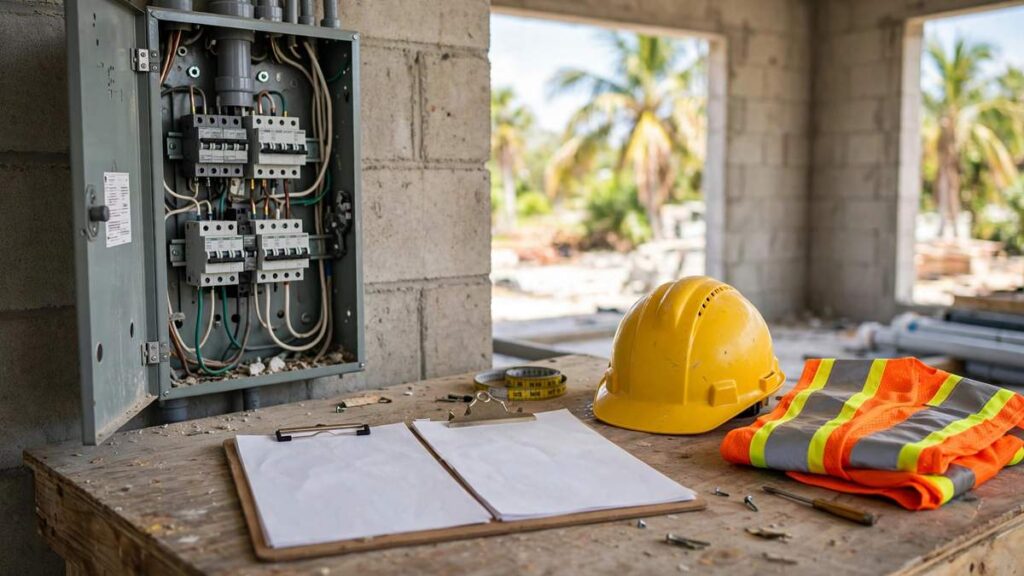
Florida takes electrical licensing seriously, and Fort Lauderdale is no exception. Electricians here need to hold a valid state license through the Florida Department of Business and Professional Regulation. No license, no legal right to touch your wiring.
Permits matter too. Most electrical work in Broward County requires a permit before the job starts. Skipping this step isn’t just risky. It can void your insurance and cause problems if you ever sell the property.
Inspections tie into permits directly. A city inspector checks the work against code before it’s signed off. Skip the inspection and you’re basically gambling that nothing goes wrong down the line.
Code requirements follow the National Electrical Code (NEC), adopted statewide and enforced locally. Commercial buildings face extra layers like fire codes and ADA compliance. Residential work still has to meet code, just with fewer extra hoops.
A good local electrician already knows these rules cold. That’s half the reason hiring someone familiar with Fort Lauderdale and the greater South Florida area, including Miami-Dade County, makes life easier. Flowtron Electric Inc. handles the permit paperwork and code checks so you don’t have to chase it down yourself.
As the old saying goes, measure twice and cut once. Skipping the permit step to save time almost always costs more later.
Florida’s building codes also update more often than people expect, especially after major storm seasons. Hurricane-related code changes affect things like surge protection and backup power requirements. An electrician who stays current on these updates protects you from fines and failed inspections alike.
How to Choose the Right Electrician for Your Property
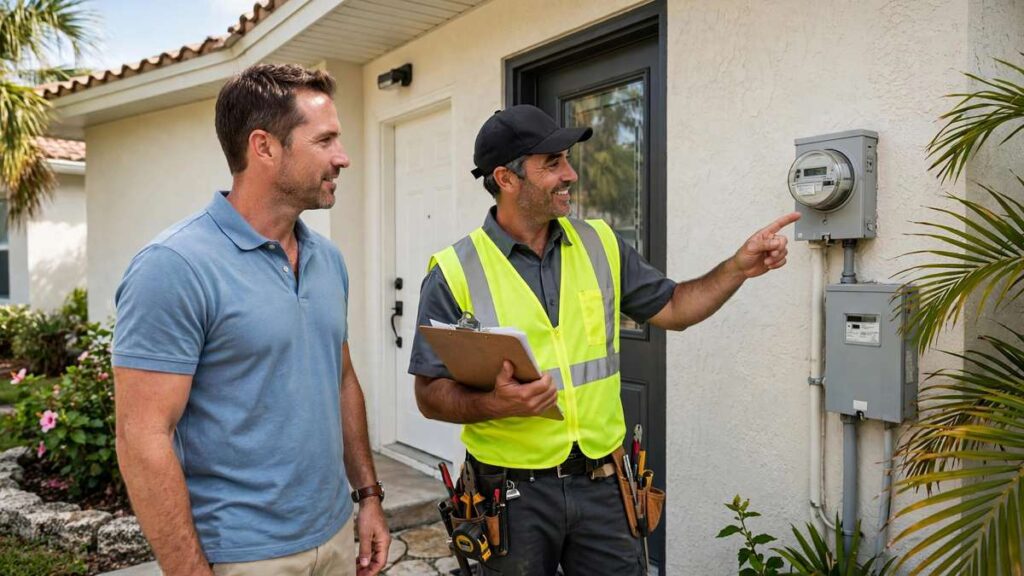
Picking an electrician shouldn’t feel like rolling dice. A few smart checks up front save you from headaches later.
Identify Your Property Type and Electrical Needs
Start simple. Is this a home repair or a business project? Small fix or full renovation? Knowing your property type narrows down who you actually need to call.
Write down the problem before you call anyone. Flickering lights, a dead outlet, a new build. Clear details help the electrician quote you faster and more accurately.
Property age matters here too. An older home might need extra attention to outdated wiring, while a brand new commercial space might need a full build from scratch. Knowing your starting point helps the electrician plan the right approach from day one.
Verify Licensing, Insurance, and Relevant Experience
Never skip this step. Ask for a license number and confirm it’s active. Ask about insurance too, because accidents happen and you don’t want to be stuck with the bill.
Experience matters just as much. A residential specialist might not be the right fit for a commercial build-out, and vice versa. Match the electrician’s background to your actual job.
Don’t be shy about asking for references either. A reputable electrician will gladly point you to past clients or show photos of finished work. If someone hesitates on this, that’s a red flag worth paying attention to.
Confirm the Project Scope and Written Estimate
Get everything in writing. A verbal quote means nothing once the job starts running long. A written estimate protects both sides and sets clear expectations.
Ask what’s included. Materials, labor, cleanup, permits. Surprises on the final bill are never fun, and a clear estimate keeps things honest from the start.
Timeline matters too. Ask how long the job should take and what could cause delays. Weather, material delays, and permit backlogs all happen in Florida more than people expect, so a heads up ahead of time saves a lot of frustration.
Flowtron Electric Inc. walks every client through this process step by step, whether it’s a home repair in Fort Lauderdale or a commercial build in Miami-Dade County. No guessing games, no hidden fees, just straight answers.
Wrapping It Up
So which one do you need? Residential if it’s your home. Commercial if it’s your business. Simple as that, even if the work behind it isn’t always simple.
Electrical problems don’t fix themselves, and waiting around rarely makes things better. Whether it’s a tripped breaker at home or a wiring upgrade at your storefront, the right electrician makes all the difference.
Flowtron Electric Inc. serves homeowners and business owners across Fort Lauderdale and Miami-Dade County, Florida. Give them a call at (954) 945-1123 and get it sorted the right way, the first time.
FAQs
1. What’s the main difference between a residential and commercial electrician? Residential electricians work on homes with lower voltage systems. Commercial electricians handle bigger buildings with higher voltage and stricter codes.
2. Can a residential electrician do commercial work? Not always. Commercial work often needs extra licensing, experience, and knowledge of codes that residential jobs don’t require.
3. How much does it cost to hire an electrician in Fort Lauderdale? Costs vary by job size. Small home repairs cost less, while commercial projects run higher due to scope and permit requirements.
4. Do I need a permit for electrical work in Florida? Yes, most electrical jobs in Florida require a permit. Skipping this step can cause problems with insurance and future property sales.
5. How do I know if my electrician is licensed? Ask for their license number and verify it through the Florida Department of Business and Professional Regulation website before hiring.
